
/
/
One Card or Two? How to Know When to Add a Second
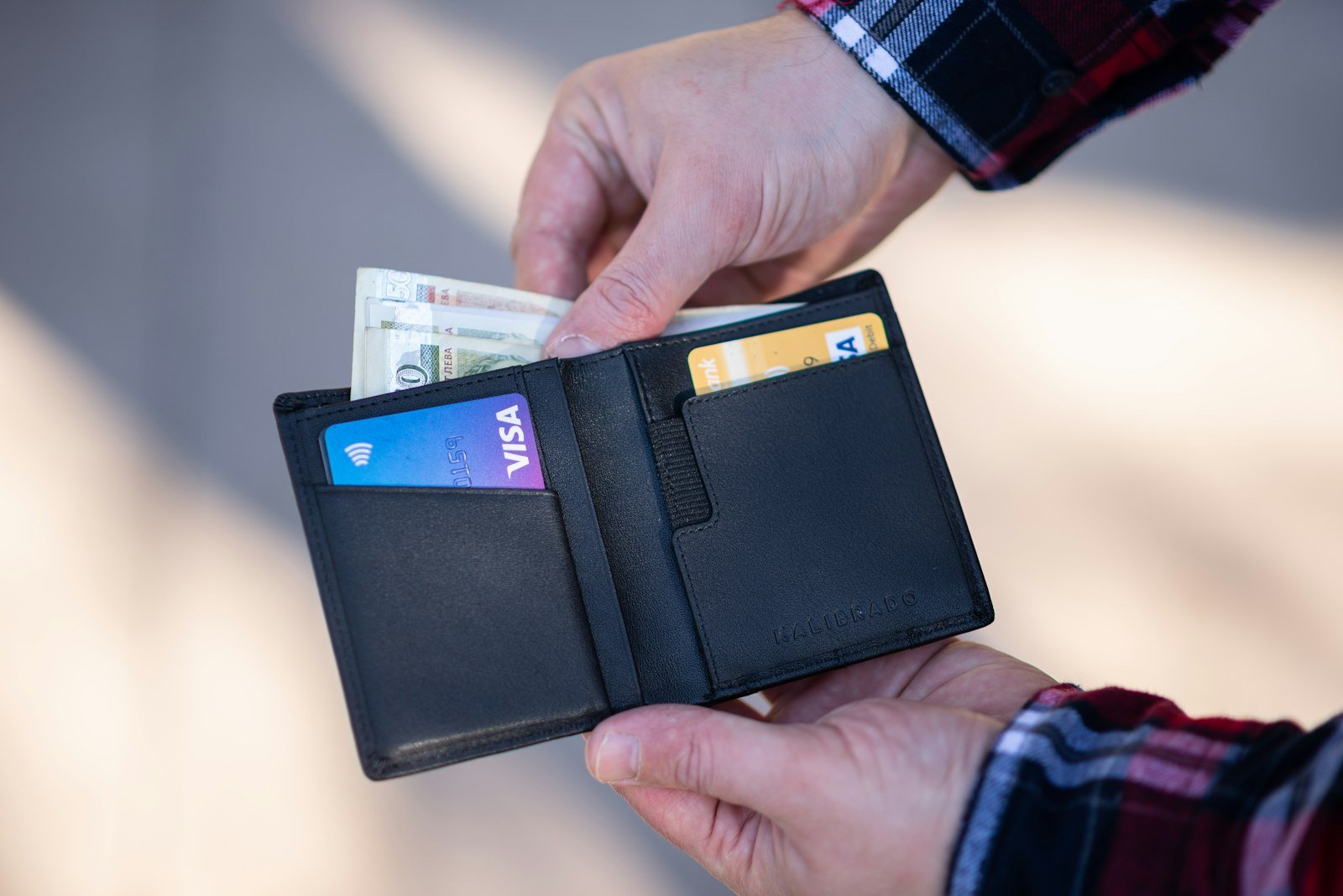
Bifold wallet held open in one hand
Everyday Spending
·
5 min read

One Card or Two? How to Know When to Add a Second

A second card is worth adding when it closes a genuine gap — not because a marketing email made the case for you.
Advertiser disclosure:
RealRewardsUS has partnered with CardRatings for our coverage of credit card products. RealRewardsUS and CardRatings may receive a commission from card issuers.

Key takeaways

  • Add a second card only when a real share of your spending sits in a low-earning category.
  • Two cards with two clear jobs works; complicated rules do not survive contact with real life.
  • A missed payment costs more than a better earning rate gains.

The gap test

Look at where your current card earns its lowest rate, then check how much you spend there. If a meaningful share of your budget is sitting in that low-earning bucket, a second card aimed at exactly that category is doing real work. If it is not, you are adding admin for nothing.

Two cards, two clear jobs

The setup that actually holds up over time is simple: one card for a category where you spend heavily, one flat-rate card for everything else. The moment you need a rule more complicated than that, you will stop following it within a month.

The hidden costs of more cards

Each additional account is another due date, another set of terms and another opportunity to miss a payment. Missed payments cost far more than optimised earning rates gain. Complexity has a real price and it is usually underestimated.

The best card setup is the one you will still be using correctly in two years, not the one that maximises a spreadsheet today.

Timing the application

Space applications out rather than clustering them. Give a new account time to settle and report before adding another, particularly if your file is still relatively young.

When to stop at one

If your spending is spread fairly evenly with no dominant category, a single strong flat-rate card is genuinely the right answer. There is no prize for carrying more cards than your budget justifies.


What to watch for

  • Opening accounts in quick succession on a young credit file.
  • Adding a card for a category you spend very little in.
  • More due dates than you can reliably keep track of.

The bottom line

A second card is worth adding when it closes a genuine gap — not because a marketing email made the case for you. Use it as a starting point, then check the current terms of anything you are considering before you apply.
Advertiser disclosure:
RealRewardsUS has partnered with CardRatings for our coverage of credit card products. RealRewardsUS and CardRatings may receive a commission from card issuers.

Related guides

Passport, boarding pass and credit card showing how to transfer credit card points to airline and hotel partners

How Transferring Points to Travel Partners Works

Transferring credit card points to airline and hotel partners can unlock more value, but transfers are usually final. Here’s what to know before you move your points.
Travel Rewards
4 min read
·
Updated October 26, 2026
Calculator, credit card and monthly statement used to calculate credit card interest and APR

How Credit Card Interest Is Calculated

APR, daily periodic rates, and grace periods all affect what you pay when you carry a balance. Here’s a plain-language look at how credit card interest works.
Fees & APR
4 min read
·
Updated October 22, 2026
Two credit cards with everyday purchases, comparing flat-rate and tiered cash back rewards

Flat-Rate vs. Tiered Cash Back: Which Fits Your Spending?

Flat-rate cards keep things simple, while tiered cards reward specific categories. Here’s how to compare them based on how you actually spend.
Cash Back
4 min read
·
Updated October 19, 2026

At a glance

Topic
Everyday Spending
Read time
5 min read
Last updated
September 4, 2026

Editorial standards

Every guide is written independently. We explain how products work in general terms and never recommend a specific card in exchange for compensation.

Keep reading