
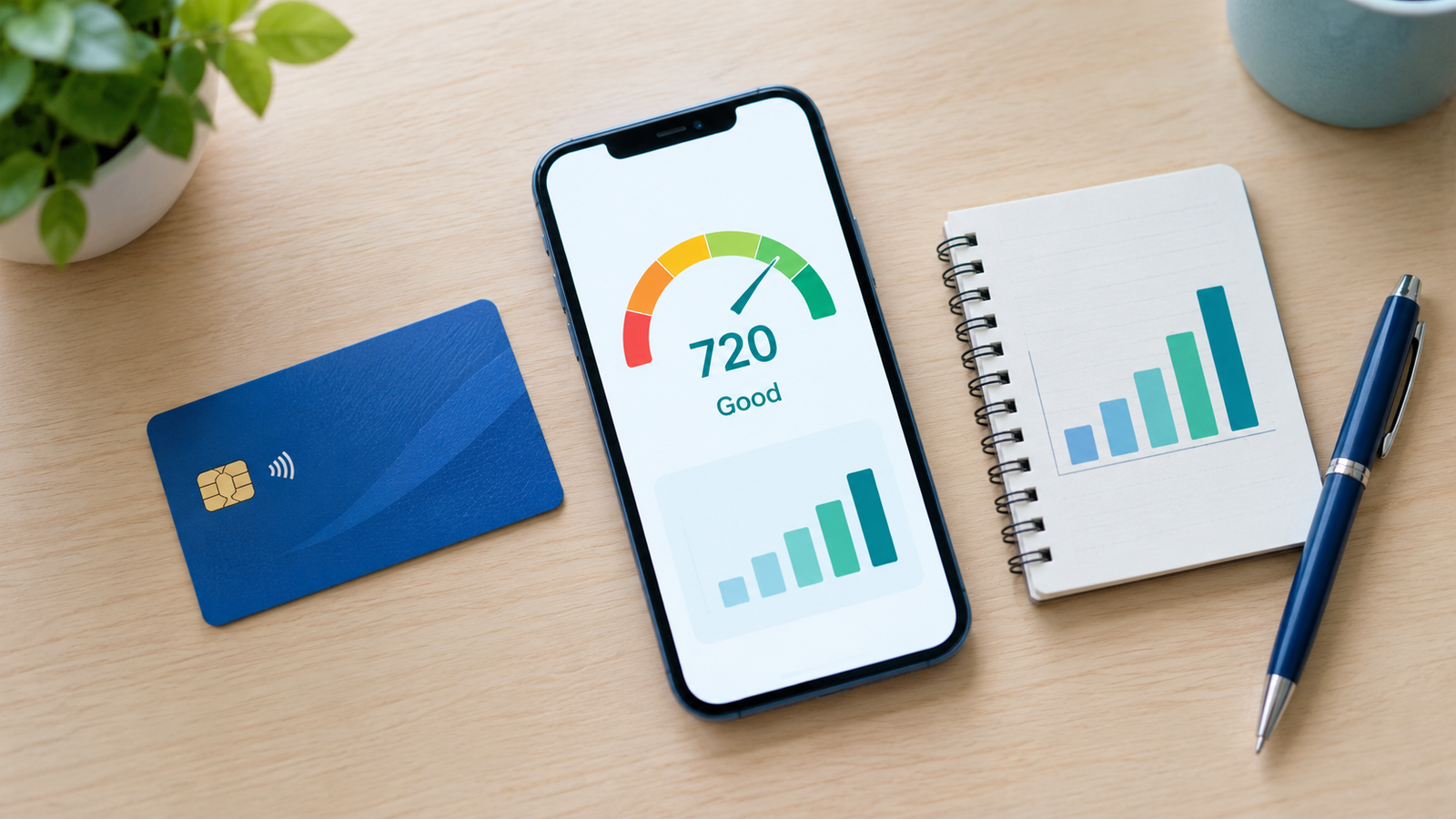
When people think about building credit, they often focus on paying bills on time. That matters a lot, but another factor plays a major role in your score: how much of your available credit you’re actually using.
This is called credit utilization, and understanding it can help you make smarter decisions with your credit cards.
What Credit Utilization Means
Credit utilization is the percentage of your available revolving credit that you’re currently using.
For example, if you have a credit card with a $5,000 limit and a $1,000 balance, your utilization on that card is 20%.
Scoring models typically look at utilization in two ways:
- Overall utilization across all of your cards
- Utilization on each individual card
Why It Matters
High utilization can suggest that you rely heavily on credit, which lenders may see as a higher risk. Lower utilization generally signals that you’re managing credit comfortably.
Many experts suggest keeping utilization below 30%, and people with the strongest scores often keep it well under 10%. These aren’t strict rules, but they are useful targets.
Know When Your Balance Is Reported
Most issuers report your balance to the credit bureaus around your statement closing date, not your payment due date.
That means even if you pay in full every month, a large balance on your statement can still show up as high utilization.
If you want a lower reported balance, consider making a payment before the statement closes.
Simple Ways to Lower Utilization
- Pay down balances, starting with cards closest to their limits
- Make more than one payment during the month
- Spread large purchases across your budget instead of one card
- Ask about a credit limit increase if your income and history support it
- Think carefully before closing older cards, since that reduces your total available credit
However, a higher limit only helps if your spending stays the same. More available credit isn’t a reason to spend more.
The Good News About Utilization
Unlike late payments, which can stay on your report for years, utilization usually reflects your most recent balances.
Once you pay balances down and the lower amounts are reported, your score can often recover fairly quickly.
Final Takeaway
Credit utilization is one of the most manageable parts of your credit profile. Keep balances low relative to your limits, pay attention to statement dates, and avoid closing accounts without a good reason.
Using less of the credit you have is one of the simplest ways to show lenders you’re in control.