
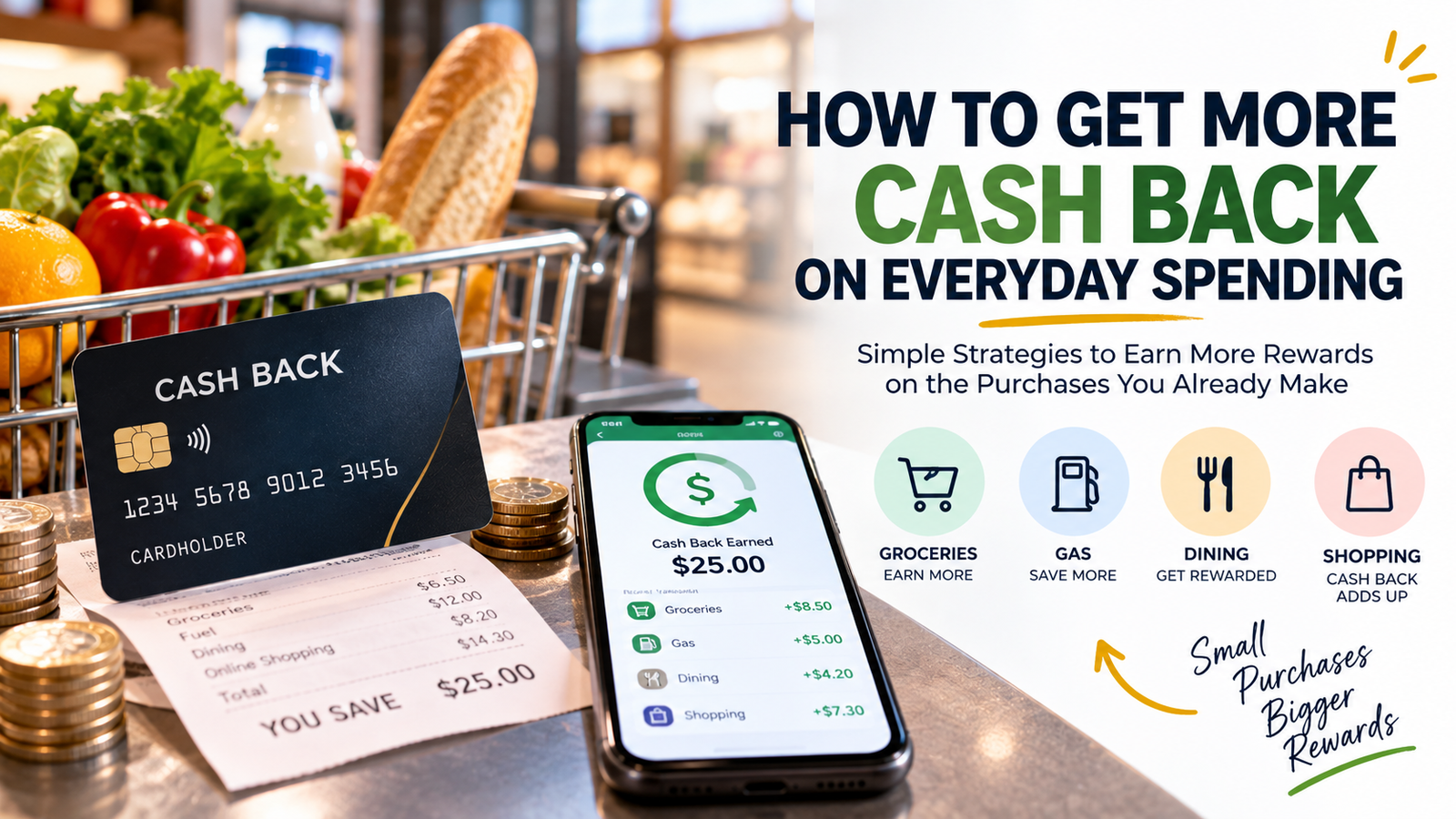
Start With Your Monthly Spending
Before choosing a rewards strategy, look at where your money actually goes.
Review a few recent months of spending and identify your biggest recurring categories.
You might find that a large portion of your spending goes toward:
- Groceries
- Gas and transportation
- Dining
- Online shopping
- Utilities
- Streaming subscriptions
- Household purchases
Once you know your spending patterns, you can compare them with the rewards offered by your existing cards.
Put Everyday Spending to Work
Many travel cards allow cardholders to earn rewards on regular purchases.
Depending on the card, certain categories may earn more points than others. Common bonus categories can include travel, dining, groceries, or other everyday expenses.
Rather than changing your spending simply to earn points, look at purchases you already make regularly.
For example, if you normally spend $500 each month on eligible purchases, earning rewards on that existing spending can be more practical than creating unnecessary purchases just to collect points.
Pay Attention to Bonus Categories
Not every purchase earns the same reward rate.
Some cards offer higher rewards for specific categories, while others provide a flat rewards rate on most purchases.
For example, if a card offers an enhanced reward rate on groceries and groceries represent a significant part of your monthly budget, that category may be particularly relevant to you.
Always check the card’s current terms because eligible merchants and reward categories can vary.
Don’t Create Spending Just to Earn Rewards
This is where a rewards strategy can easily go wrong.
If you’re spending an extra $100 simply because a purchase earns rewards, the small amount of rewards you receive doesn’t make the additional spending worthwhile.
Instead, focus on purchases you were already planning to make.
The goal is to earn rewards from your existing budget—not increase your budget to earn rewards.
Look for Rewards Beyond Your Credit Card
Your credit card may not be the only source of savings.
Some retailers, grocery stores, airlines, and other businesses operate their own loyalty programs. Depending on the purchase, you may be able to combine a retailer’s loyalty benefits with your credit card rewards.
For example, a regular grocery purchase could potentially earn:
Store loyalty rewards + credit card rewards + an available promotional offer
The exact combination depends on the programs and their current terms.
Review Your Rewards Regularly
Small amounts can become meaningful over time.
Instead of checking your rewards balance only when you’re ready to redeem them, make it a habit to review your account periodically.
Look for:
- Expiring rewards
- Limited-time bonus offers
- Changes to reward categories
- Redemption opportunities
- New card benefits
- Changes in annual fees or terms
A quick monthly review can help you avoid overlooking benefits that are already available to you.
Keep Your Payments a Priority
Rewards should never take priority over responsible credit management.
Carrying a credit card balance can result in interest charges, and those charges can easily outweigh the value of the rewards earned.
For example, earning a small amount of cash back on purchases isn’t necessarily beneficial if those purchases result in a balance that you cannot comfortably repay.
Think of rewards as a bonus for spending you can already afford, rather than a reason to borrow more.
Consider the Full Value of a Card
Cash back isn’t always the only benefit worth considering.
Depending on the card, you may also receive features such as purchase protections, extended warranties, travel-related benefits, or other perks.
When comparing cards, look at the complete package rather than focusing only on the headline rewards percentage.
Also consider annual fees and whether the benefits are actually useful to you.
Make Your Strategy Easy to Maintain
A complicated rewards system can become difficult to track.
A simple approach might be:
- Identify your largest spending categories.
- Check which rewards categories match them.
- Use the appropriate card for purchases already in your budget.
- Track promotional offers.
- Review your rewards periodically.
- Pay your balances responsibly.
You don’t need to optimize every single purchase to make a rewards strategy useful.
Final Takeaway
The easiest way to earn more rewards isn’t necessarily to spend more.
Instead, understand where your money already goes and make sure your rewards setup fits those habits. When combined with responsible payment habits, everyday spending can gradually generate meaningful rewards.
Spend according to your budget, choose rewards that fit your lifestyle, and let the benefits come from purchases you were already going to make.